
Writing Problem Statements
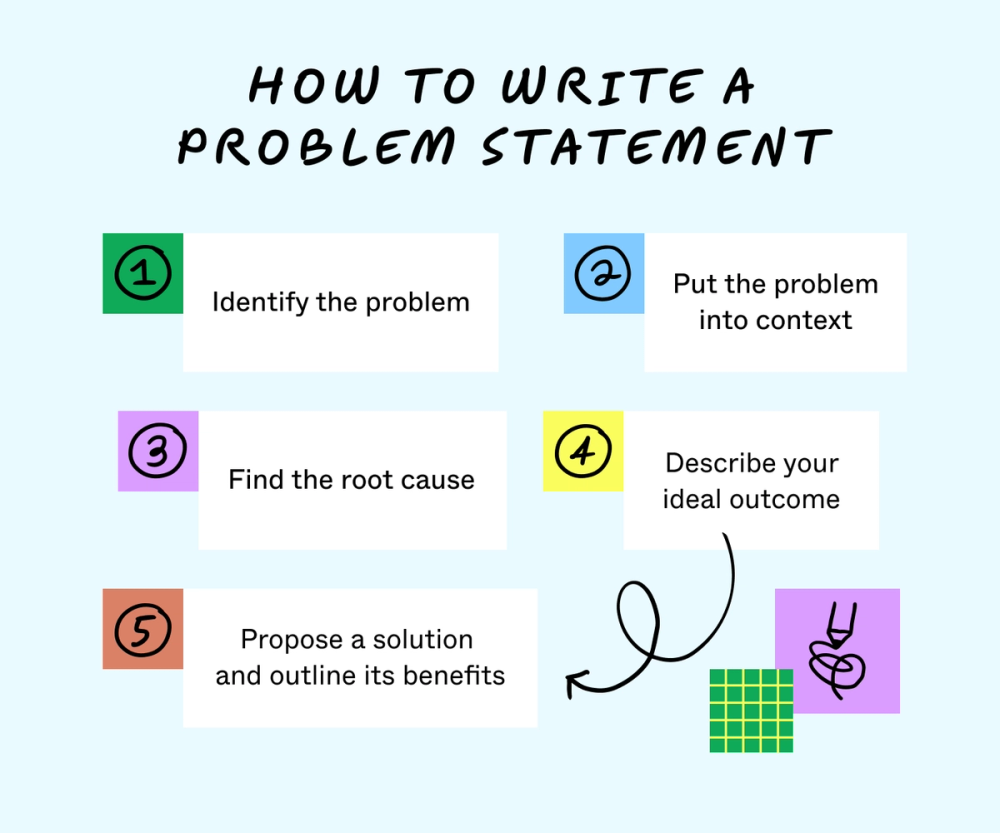
Once we've provided an overview of what we're proposing to do with our research paper, we'll have to drive home the project's urgency. We do this by developing our problem statement a bit more fully, so that the reader can't help but feel that this project must be supported for the betterment of the scholarly community.
If you are researching AEVs as transportation for drinking water in North-West Africa, for instance, you will need sources to prove that a water shortage exists in that region. This could be a good place for popular sources like news stories and documentaries - those sources are designed to identify current events and public opinions, which may support the need for your project. Then, you will explain how your research could help alleviate the water crisis in this region.
You'll usually conclude this section with a statement that begins with “The purpose of this study is…” and then describe the research question that you are trying to answer, and how that answer could benefit people affected by it.
Ready to write the paper?
Follow the links below for in-depth tutorials on each section of the literature review!
Literature Reviews
Explore the purpose, structure, and key features of a literature review and learn how it contributes to scholarly research.
Introductions
Learn how to establish the topic, context, scope, and purpose of the review.
Research Design & Methods
Learn to explain how sources were located, selected, evaluated, or analyzed when the type of literature review calls for a systematic approach.
Synthesis
Bring sources into conversation by identifying patterns, relationships, disagreements, developments, and gaps across the literature.
Discussion Sections
Interpret what the literature collectively shows and explain the significance, limitations, or implications of those findings.
Abstracts
Give readers a concise overview of the review's purpose, approach, major findings, and significance.